

Introduction to pediatric polytrauma
1. Overview
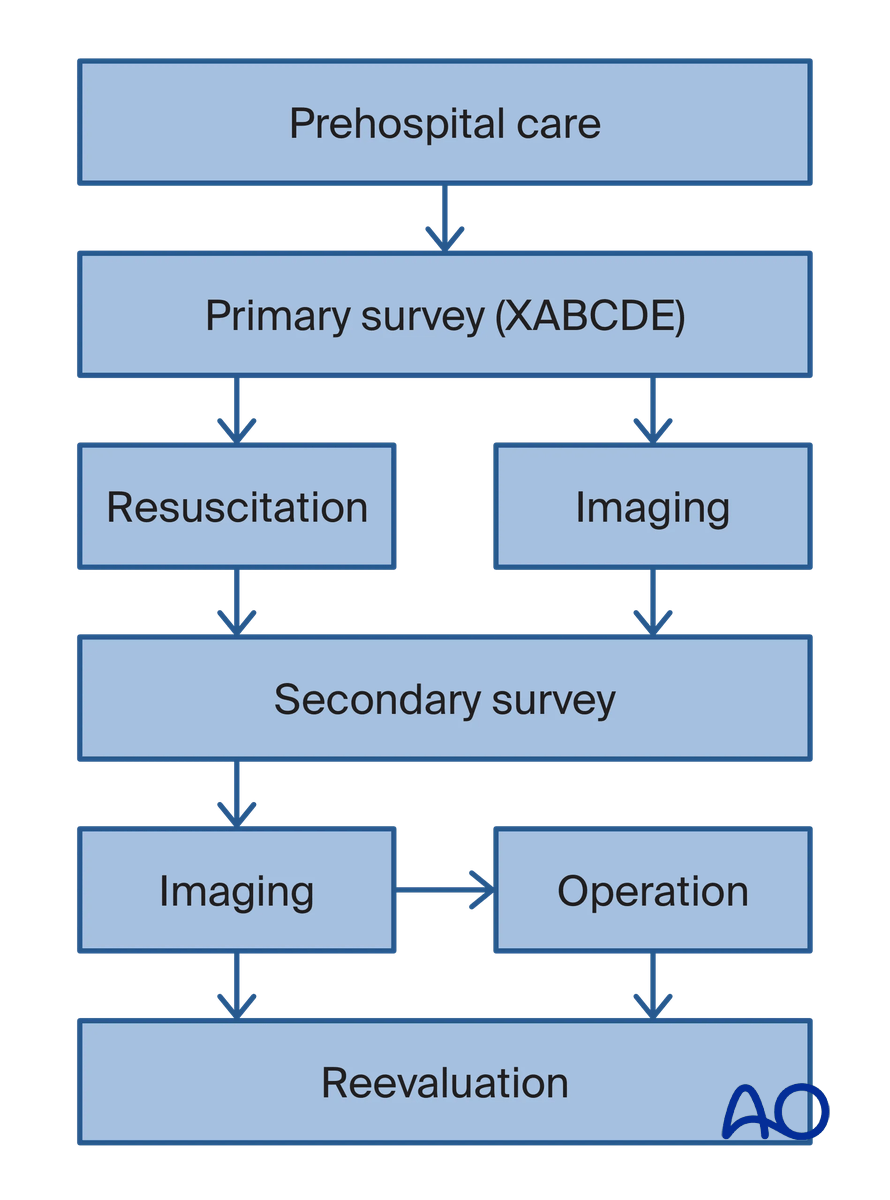
This collection of pages aims to provide practical guidance on the assessment and management of pediatric polytrauma patients. Unique anatomical, physiological, and management considerations distinguish the injured child from the adult trauma patient.
Approximately 4% of all polytraumatized patients are children. While the main management principles are similar to those for adults, it is essential to recognize the key differences in their physiology and responses to provide appropriate care. Pediatric polytrauma patient management is guided by consensus recommendations, with special attention to children due to a lack of strong evidence in this area.
In the main chapter, Emergency assessment and management, the following topics are linked as separate pages:
- Key differences between pediatric and adult patients
- Imaging
- Preliminary fracture stabilization
- Osteosynthesis
- Special considerations: injuries to the head and spinal cord, burns
2. Injury as leading cause of childhood death
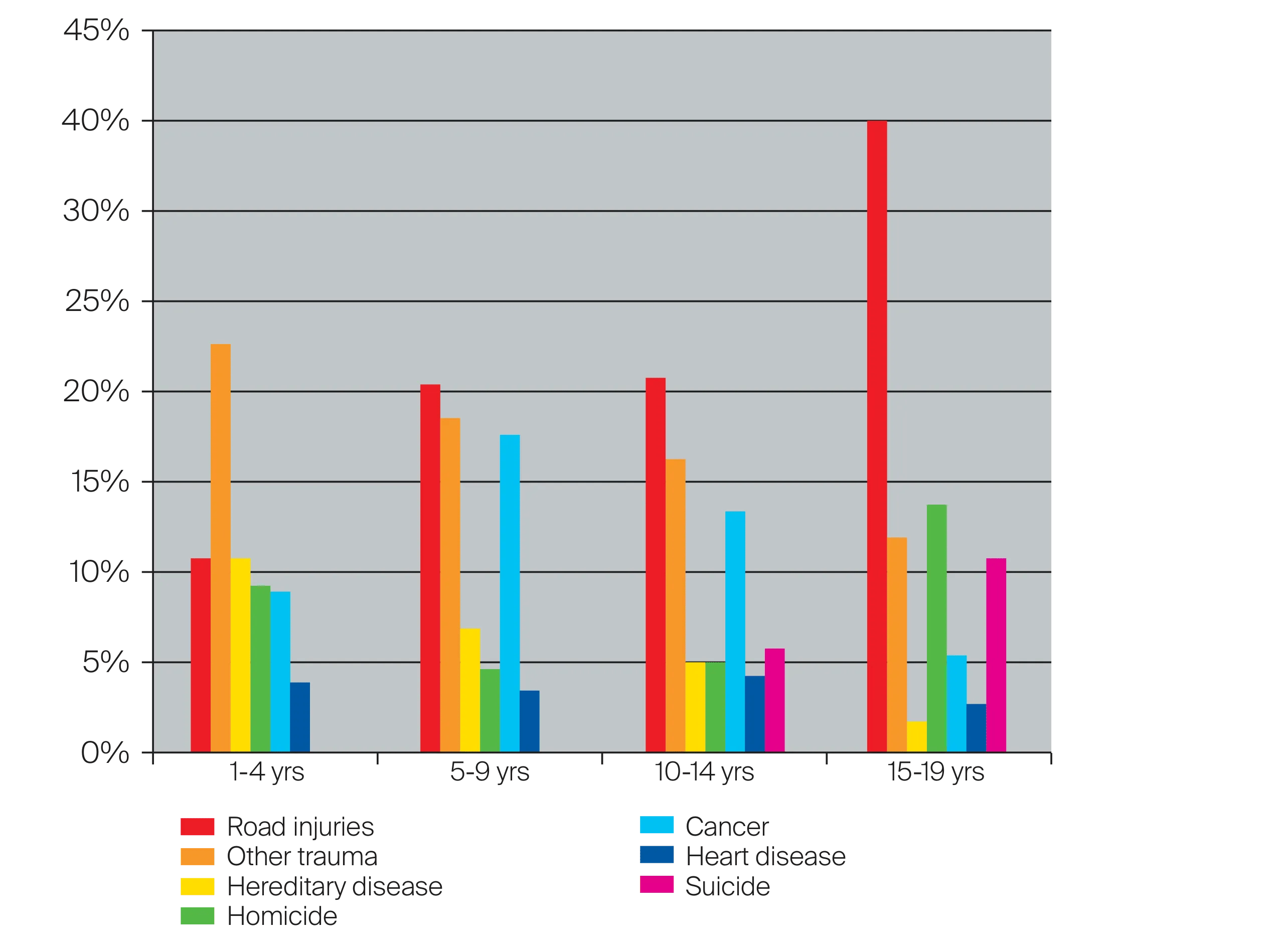
Trauma is the leading cause of death in children more than 1 year of age; road traffic injuries and fall from height are the most common mechanisms. Pediatric trauma is the leading cause of death in children accounting to more than 50% of deaths.
Severely injured children have better survival rates if treated in a specialized pediatric trauma setting.
The principles of trauma care remain the same both for children and adults, but the differences in care required for the optimal treatment of the injured child demand special awareness of the anatomy and physiology of the growing child and adolescent. The body of a child is very elastic, and internal injuries can occur without obvious external signs.
About 70% of pediatric polytrauma patients suffer fractures of the appendicular skeleton and hence the orthopedic surgeon plays a critical part in the care of these patients.
Although rarely intrinsically life-threatening, pediatric musculoskeletal injuries can result in long-term morbidity. An understanding of pediatric physiology and the management of organic and extremity injuries, in the setting of multisystem insult, is essential for the delivery of optimal care to the polytraumatized child.
3. Preventability
While this chapter focuses on the management of pediatric polytrauma, many severe injuries are preventable through effective injury-prevention measures, including:
- Proper child restraints in vehicles
- Helmet use on bicycles and motorcycles
- Safe environments (roadway, sport, home, playground)
- Age-appropriate supervision
4. Golden hour concept for resuscitation
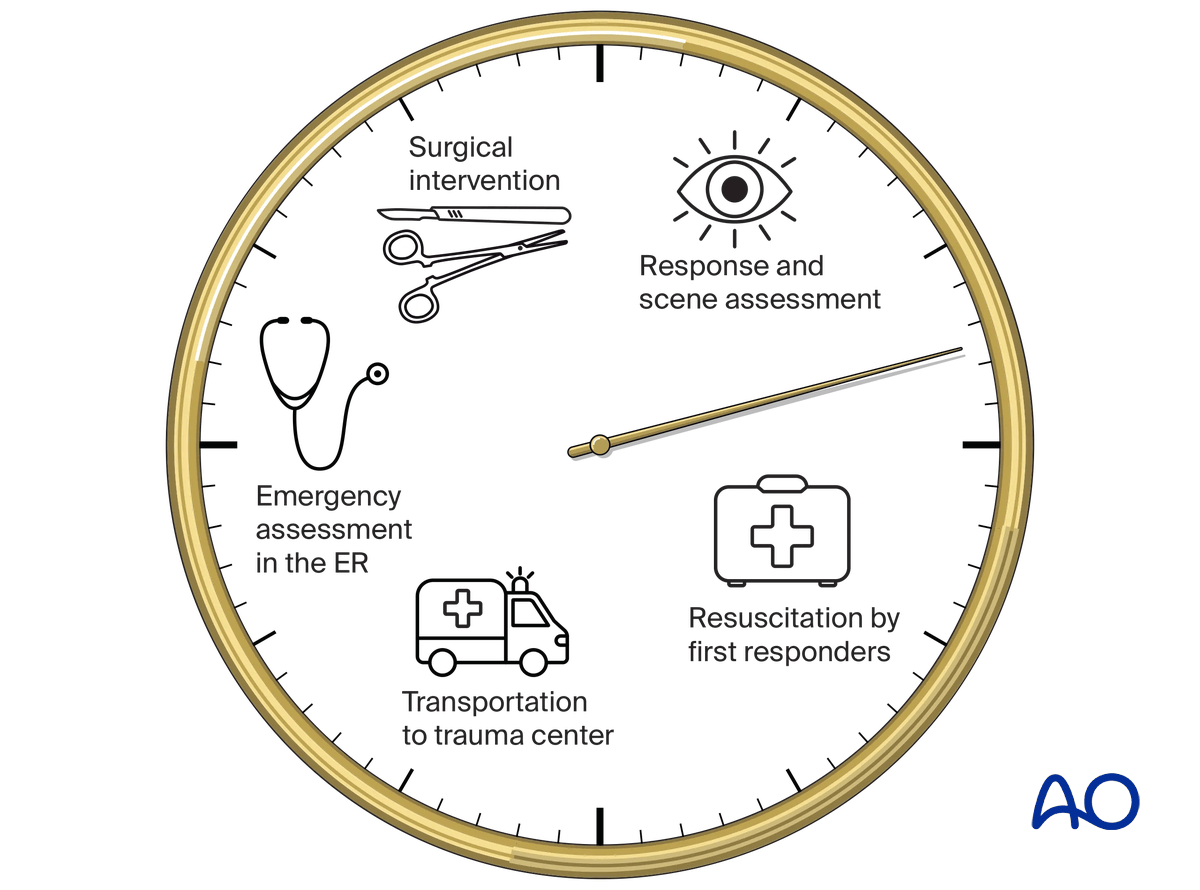
Resuscitation should start right at the injury site by the first responders. The aim of prehospital care is urgent treatment of life-threatening injuries and transportation to the nearest trauma center.
The first one hour after the life-threatening injury is called the golden hour. Initiation of treatment within this time period significantly reduces morbidity and mortality.
Read more about resuscitation in the chapter on Emergency assessment and management.
5. Prevention of secondary morbidity
Besides the general complications (eg, chest and abdomen, traumatic brain injuries), primary emergency treatment should also consider the following musculoskeletal complications:
- Spinal injuries and spinal cord injuries
- Growth plate/physeal injuries
- Fracture related infection
Physeal injuries should be reduced and stabilized as soon as possible. They need to be followed-up regularly to look for signs of growth arrest (up to 2 years after initial treatment). Appropriate timely intervention will be needed to prevent secondary deformities.
Fracture related infection is mainly caused by open fractures. Meticulous debridement is essential to reduce infection risk.
6. Resilience and survival
In polytraumatized children, the prognosis and mortality are strongly associated with traumatic brain injury (TBI) and hemorrhagic shock with or without coagulopathy.
Polytraumatized children recover remarkably well even after devastating injuries.
Their limb injuries should be treated with maximum care irrespective of the injuries to other systems because of remarkable potential to recover fully after traumatic brain injury.
7. References
- Castelão M, Pedro J, Lopes G. P0213 / #2008: The epidemiology of pediatric polytrauma and orthopedic injuries: 12-year analysis of a level-1 trauma center (2007–2019). Pediatr Crit Care Med. 2021 Mar;22(Suppl 1 3S):129.
- Ciorba MC, Maegele M. Polytrauma in children—epidemiology, acute diagnostic evaluation, and treatment. Dtsch Arztebl Int. 2024 May 3;121(9):291–297.
- Eimer C, Buschmann C, Deeken J, et al. Mechanical trauma in children and adolescents in Berlin. Forensic Sci Med Pathol. 2025 Mar;21(1):115–122.
- Guindani N, Cheli M, Ferrari D, et al. The “Bergamo Approach” for Pediatric and Adolescent Polytrauma—A One-Center Experience. Children (Basel). 2025 Sep 8;12(9):1194.
- Krug SE, Tuggle DW. Management of pediatric trauma. Pediatrics. 2008 Apr;121(4):849–854.
- Laurer H, Wurtzler S, Wyen H, et al. Quality of prehospital and early clinical care of pediatric trauma patients of school age compared to an adult cohort. A matched-pair analysis of 624 patients from the DGU trauma registry. Unfallchirurg. 2009 Sept;112(9):771–777.
- Oyetunji TA, Haider AH, Downing SR, et al. Treatment outcomes of injured children at adult level 1 trauma centers: Are there benefits from added specialized care? Am J Surg. 2011 Apr;201(4):445–449.


