Preliminary fracture stabilization in pediatric polytrauma
1. Introduction
Preliminary fracture stabilization is part of the resuscitation of a pediatric polytrauma patient. It can help to control bleeding and helps with pain relief.
See also the chapters on:
2. Splintage
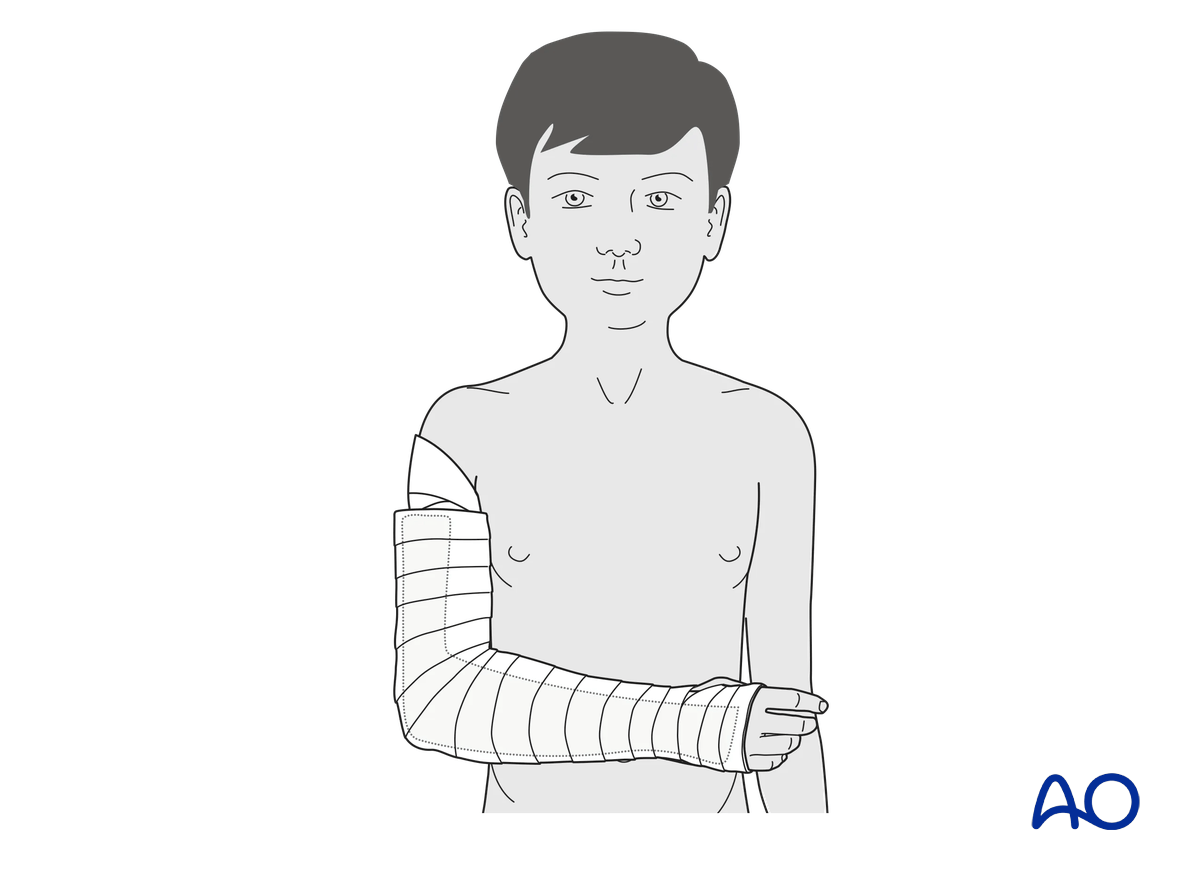
Splinting can be used to stabilize a fractured limb of a polytraumatized pediatric patient:
- Closed fracture in upper and lower extremities
- Closed pelvic fractures
Splinting consists usually of a slab with bandaging. Any circumferential device can potentially contribute to compartment syndrome. Splints or casts need to be split down to the skin if compartment syndrome is suspected.
For the application of splints, see the corresponding modules and the following collections of videos:
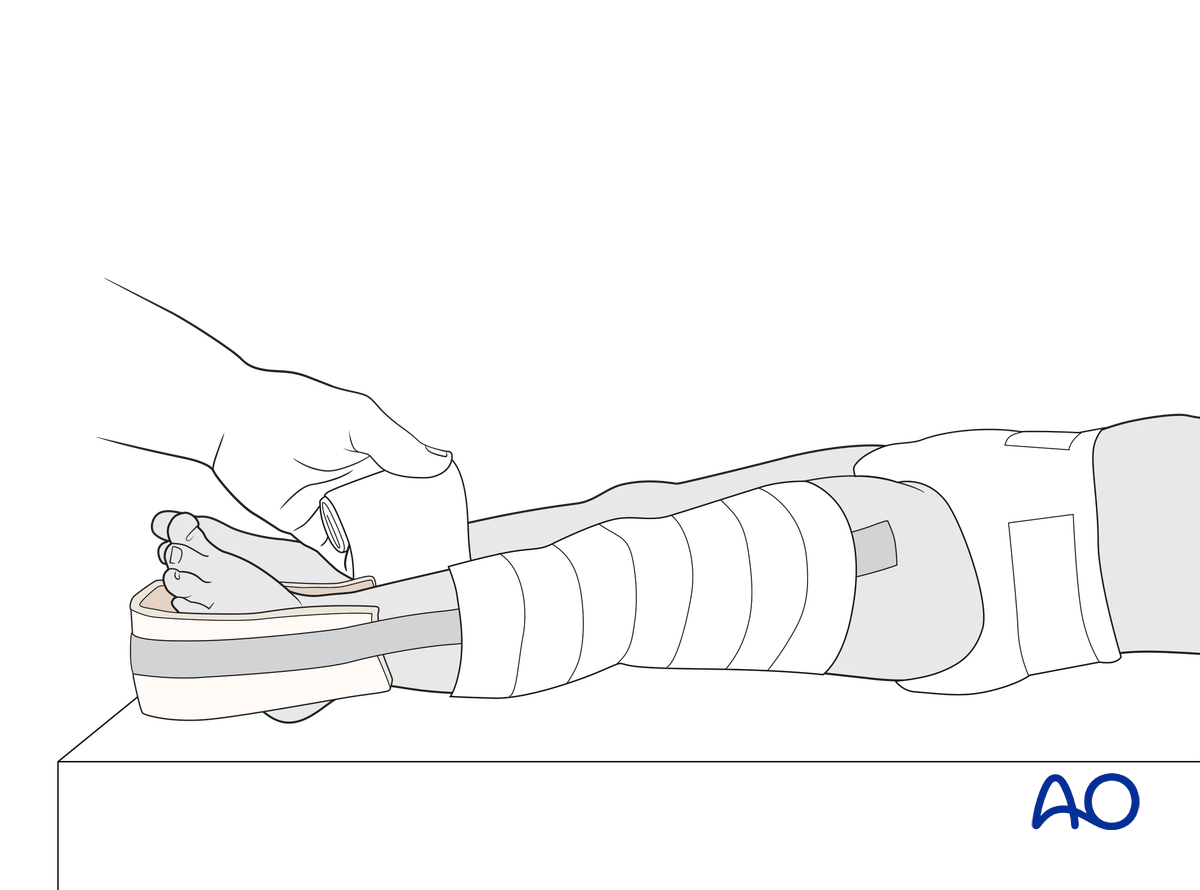
In femoral fractures, an appropriately sized Thomas splint is used for preliminary traction.
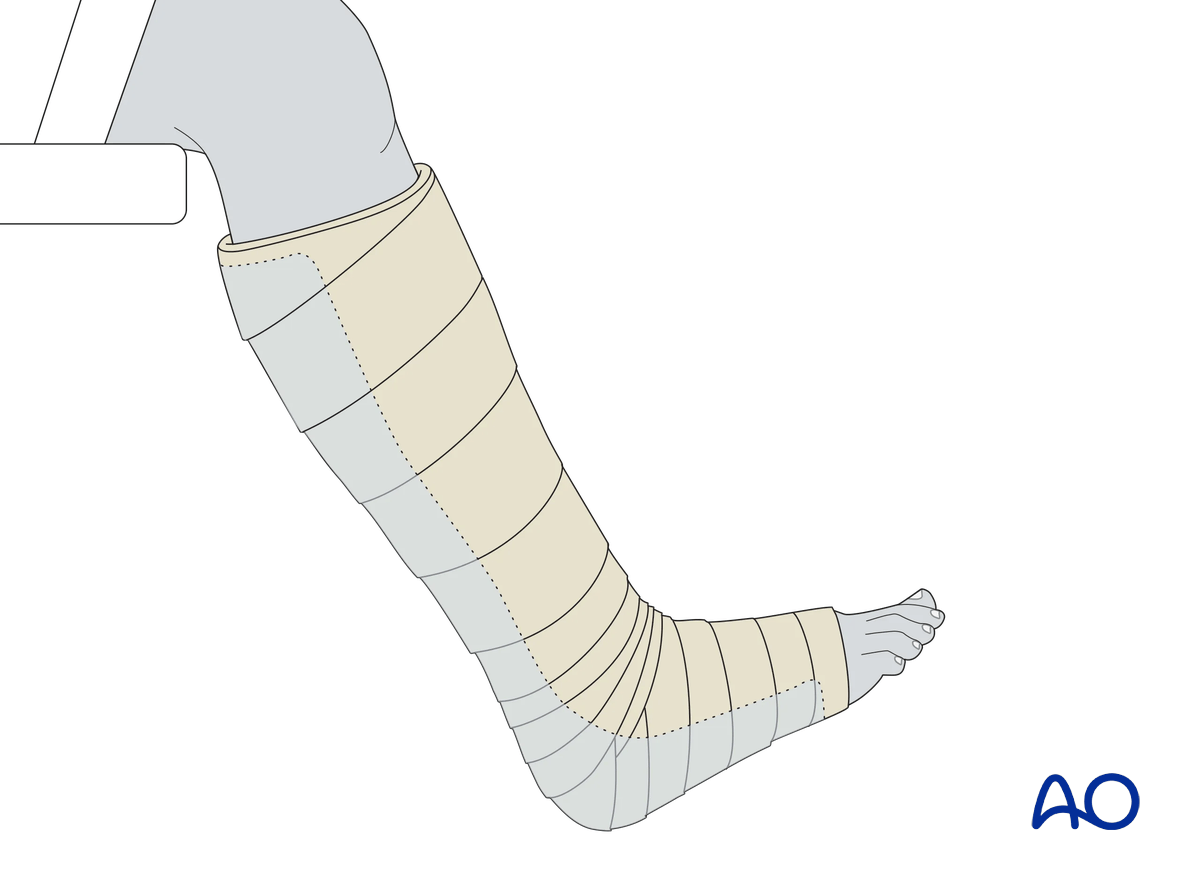
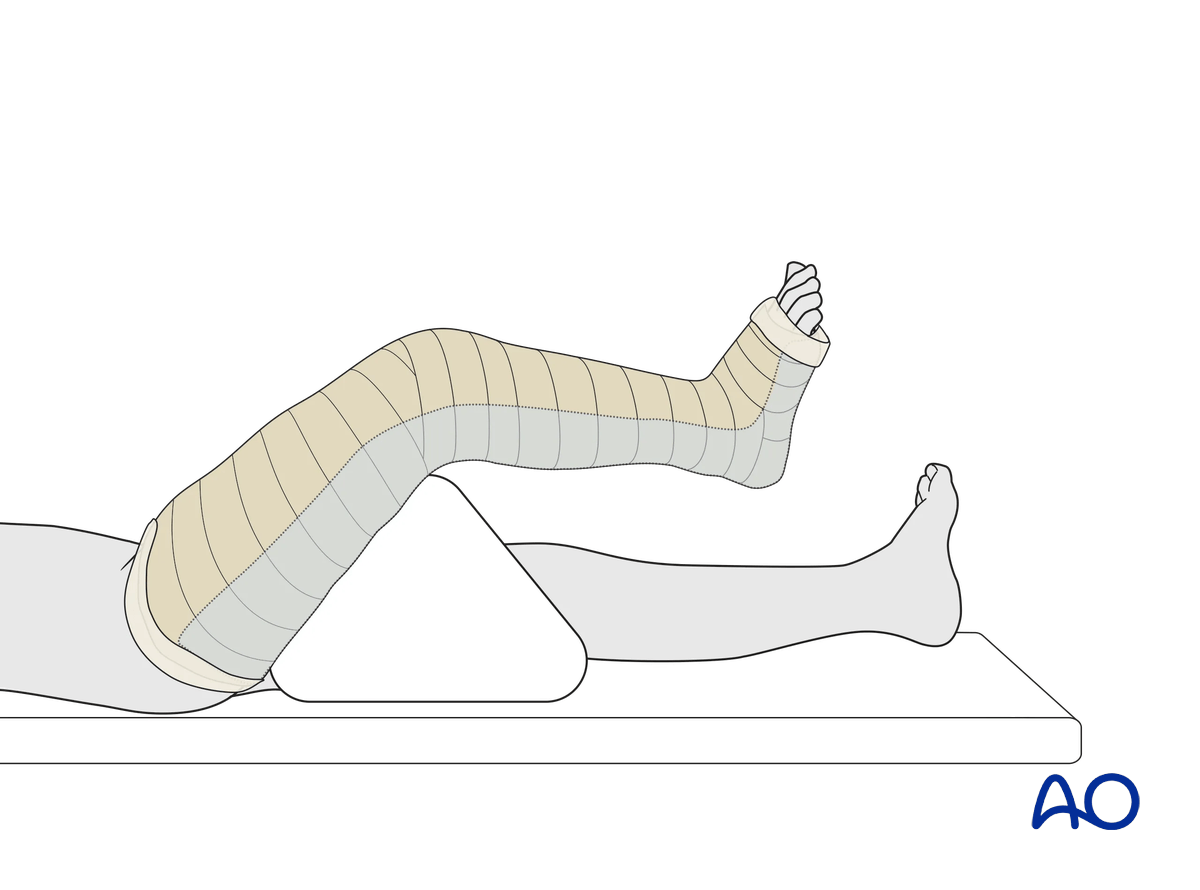
In tibial fractures, an above knee slab splint is used.
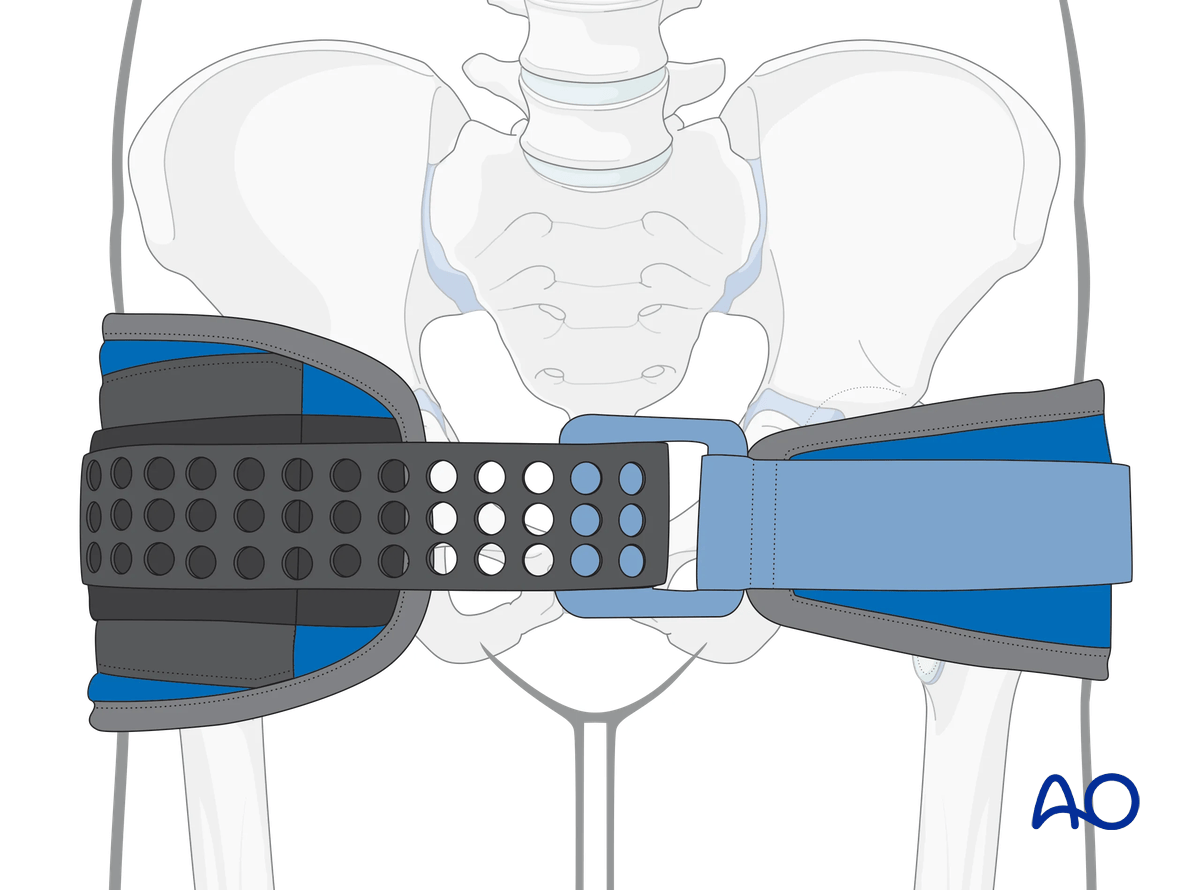
To stabilize a pelvic fracture, a pelvic binder may be used.
3. External fixation
General considerations
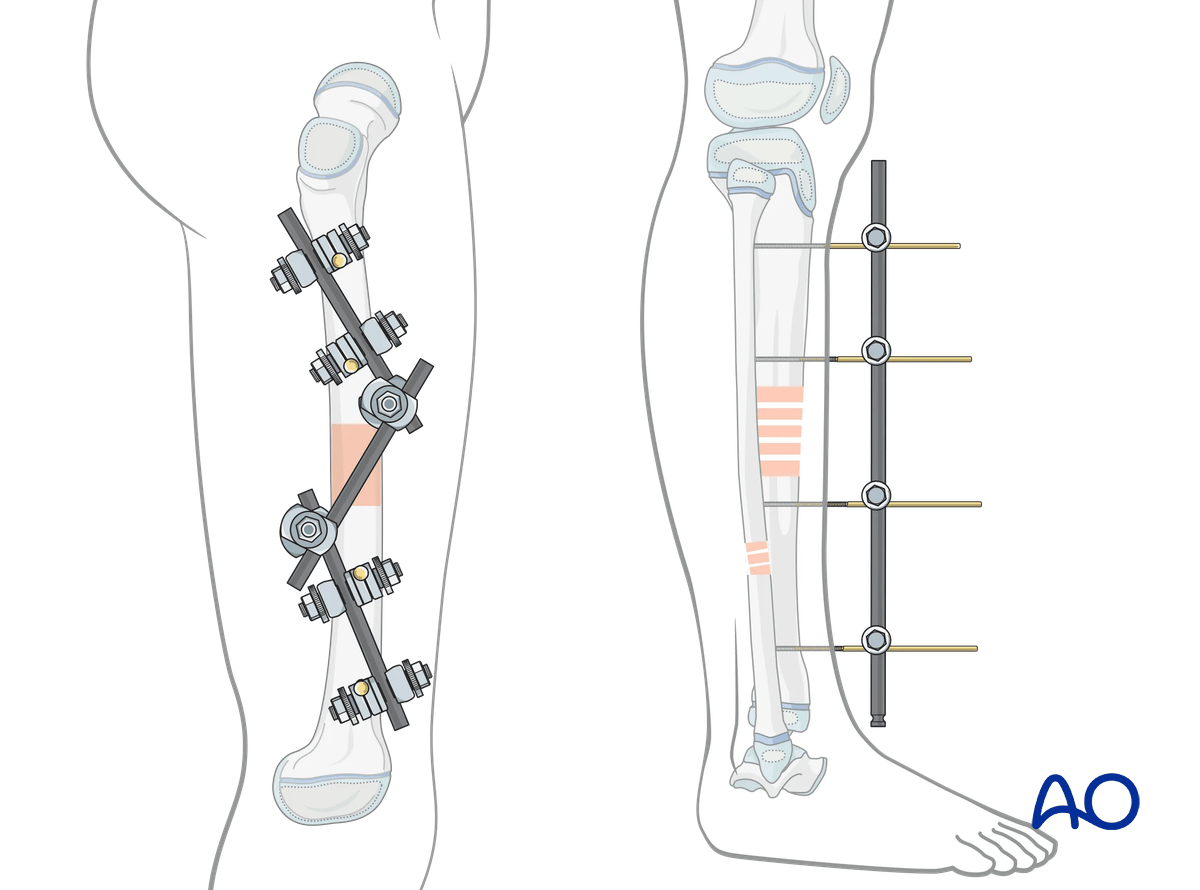
External fixation can be used in the pediatric polytrauma patient to stabilize:
- Open fractures
- Unstable pelvic fractures
- Closed fracture with concomitant open injury either proximally or distally in the same limb
Pelvic fracture stabilization
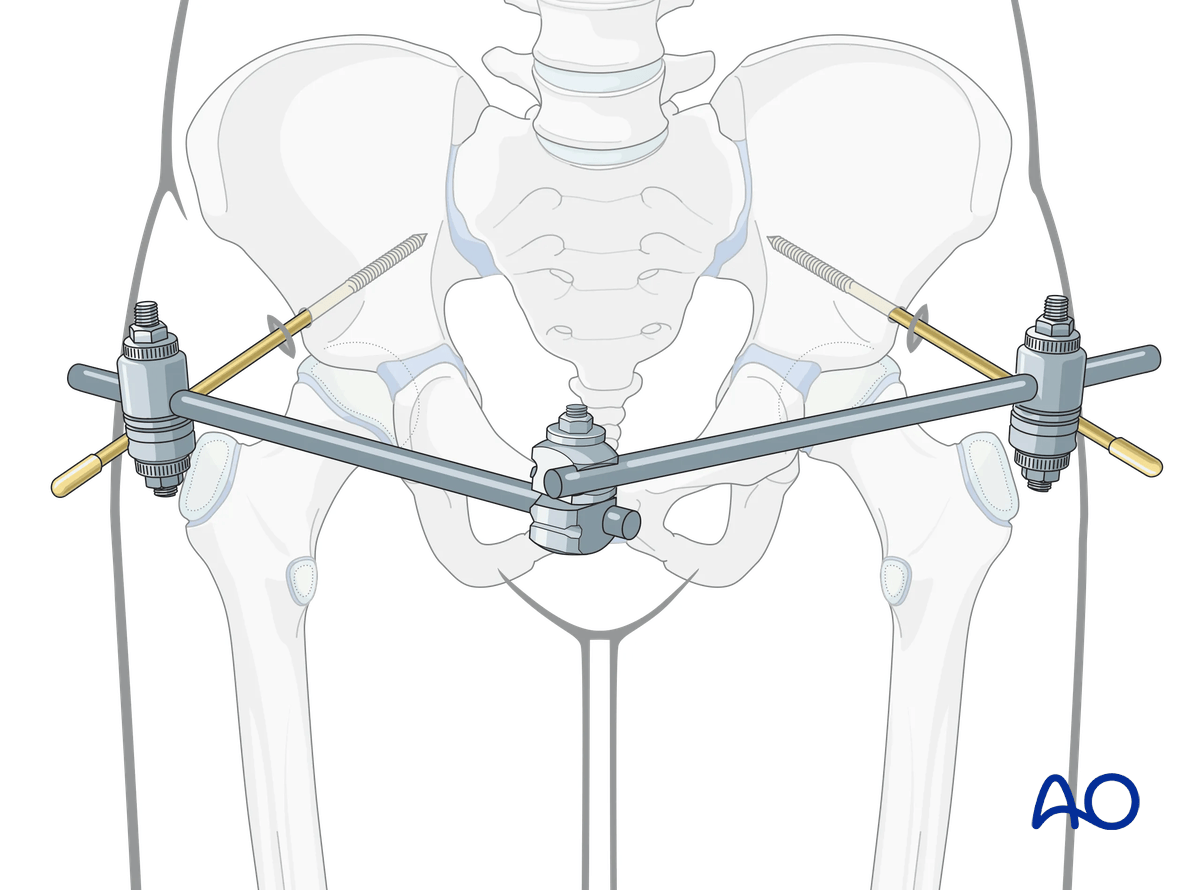
All patients with unstable pelvic fractures will need emergency stabilization with an external fixator as part of the damage control surgery.
This prevents further internal bleeding and helps to achieve hemodynamic control.
For details on the application of an external fixator, see the chapter in the adult section of AO Surgery Reference:
Stabilization of extremity fractures
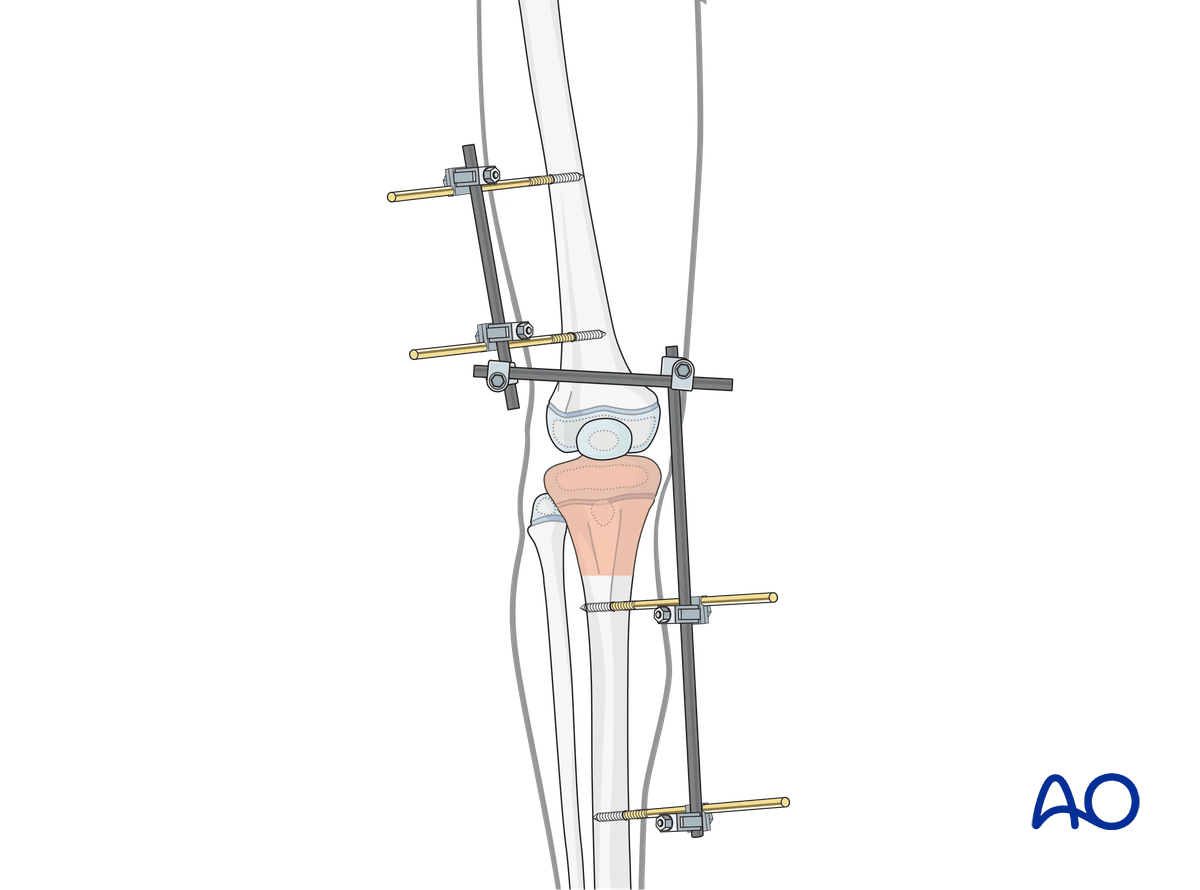
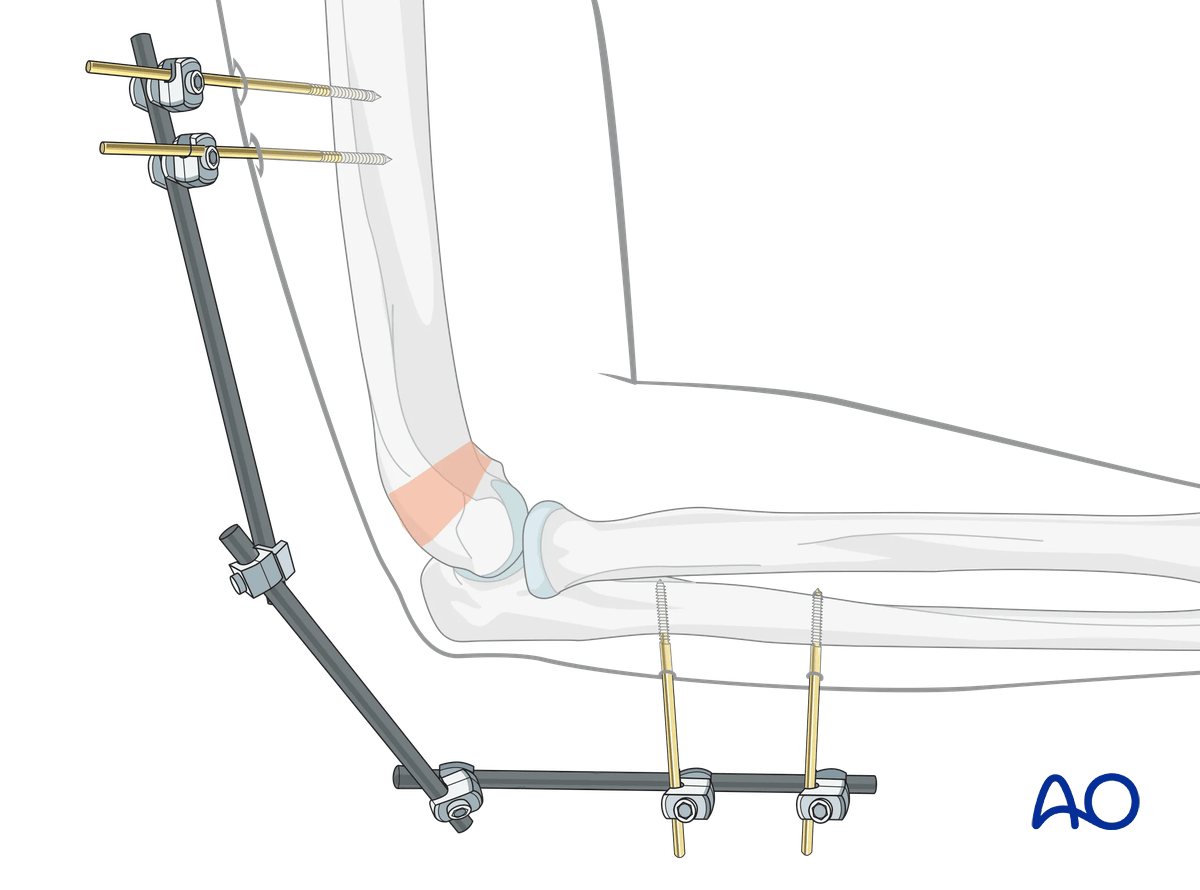
Unstable and open diaphyseal, articular and periarticular fractures can be stabilized with an external fixator.
Articular and periarticular fractures need joint spanning external fixators.
For the specific fixator configuration, refer to the corresponding module of the anatomical area.
See also the basic technique:
Diaphyseal fractures can be stabilized with a simple or modular external fixator.
For the specific fixator configuration, refer to the corresponding module of the anatomical area.
See also the basic technique:
If applied correctly, the external fixation may also be used as definitive fixation of the fracture in selected cases, eg, in femoral and tibial fractures, under the following conditions:
- No bone loss
- Good alignment achieved
- Stable fixation achieved
This avoids secondary surgical intervention.